
Visit
Sambodh Center for Human Excellence
In the forest of enlightenment — Sambodh Aranyam, Kalamazoo, Michigan.
Weekly & ongoing
What’s on at the Center
Ongoing
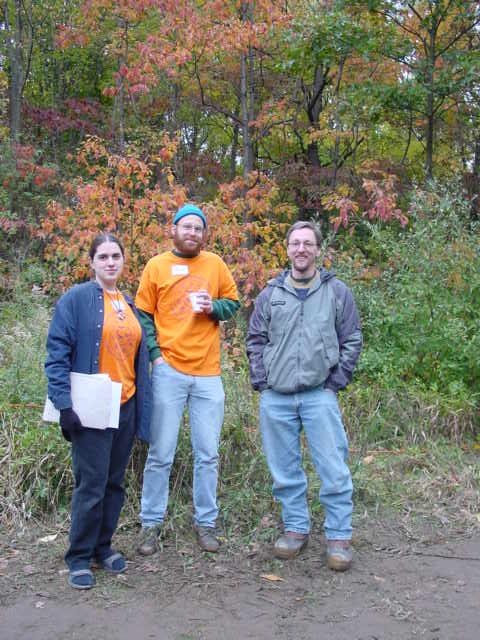 Seva The Sambodh Society and SCHE welcome volunteers for selfless service. Offer seva
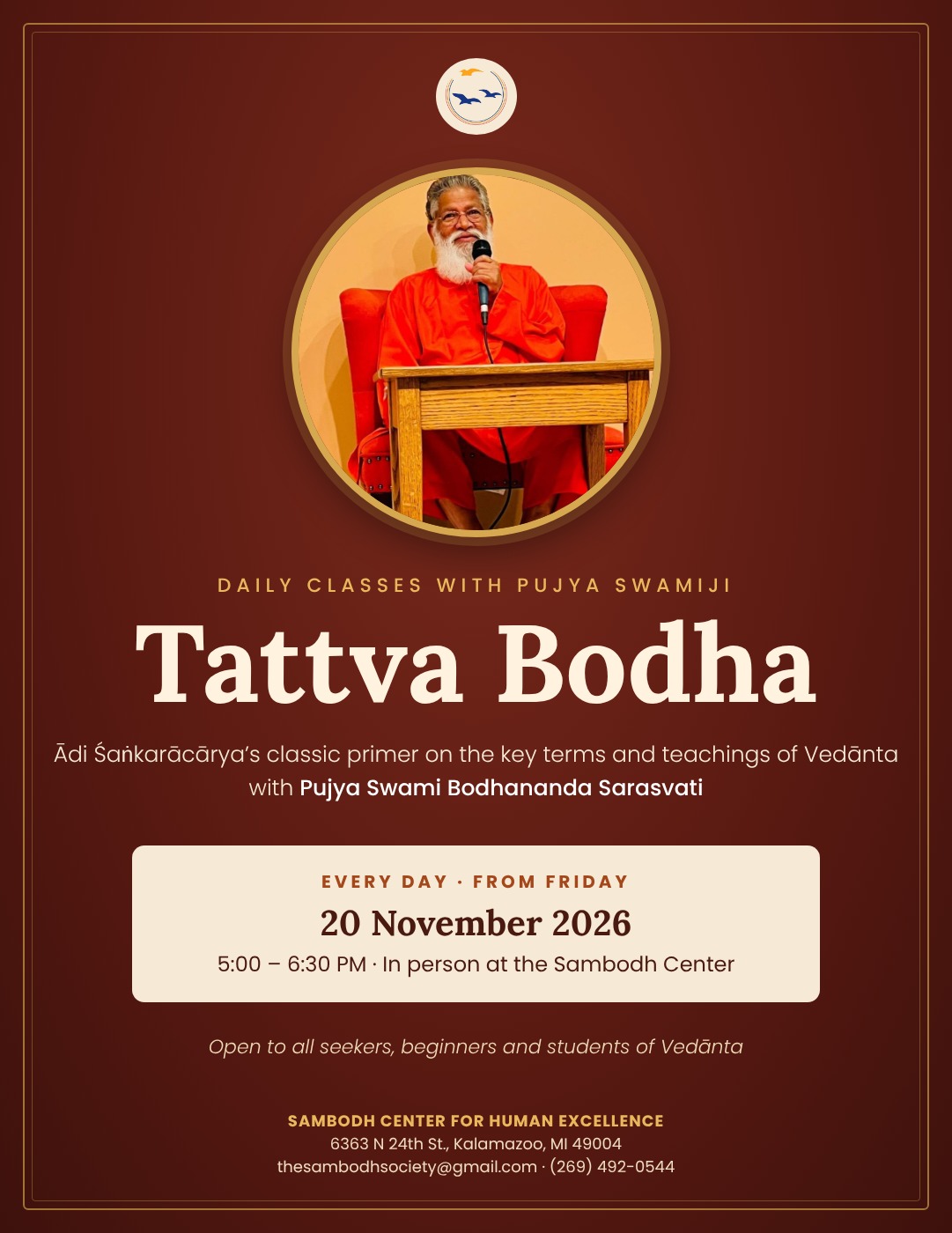 Tattva Bodha Daily classes with Pujya Swami Bodhananda, 5:00–6:30 PM, in person at the Sambodh Center, from 20 November 2026. Flyer
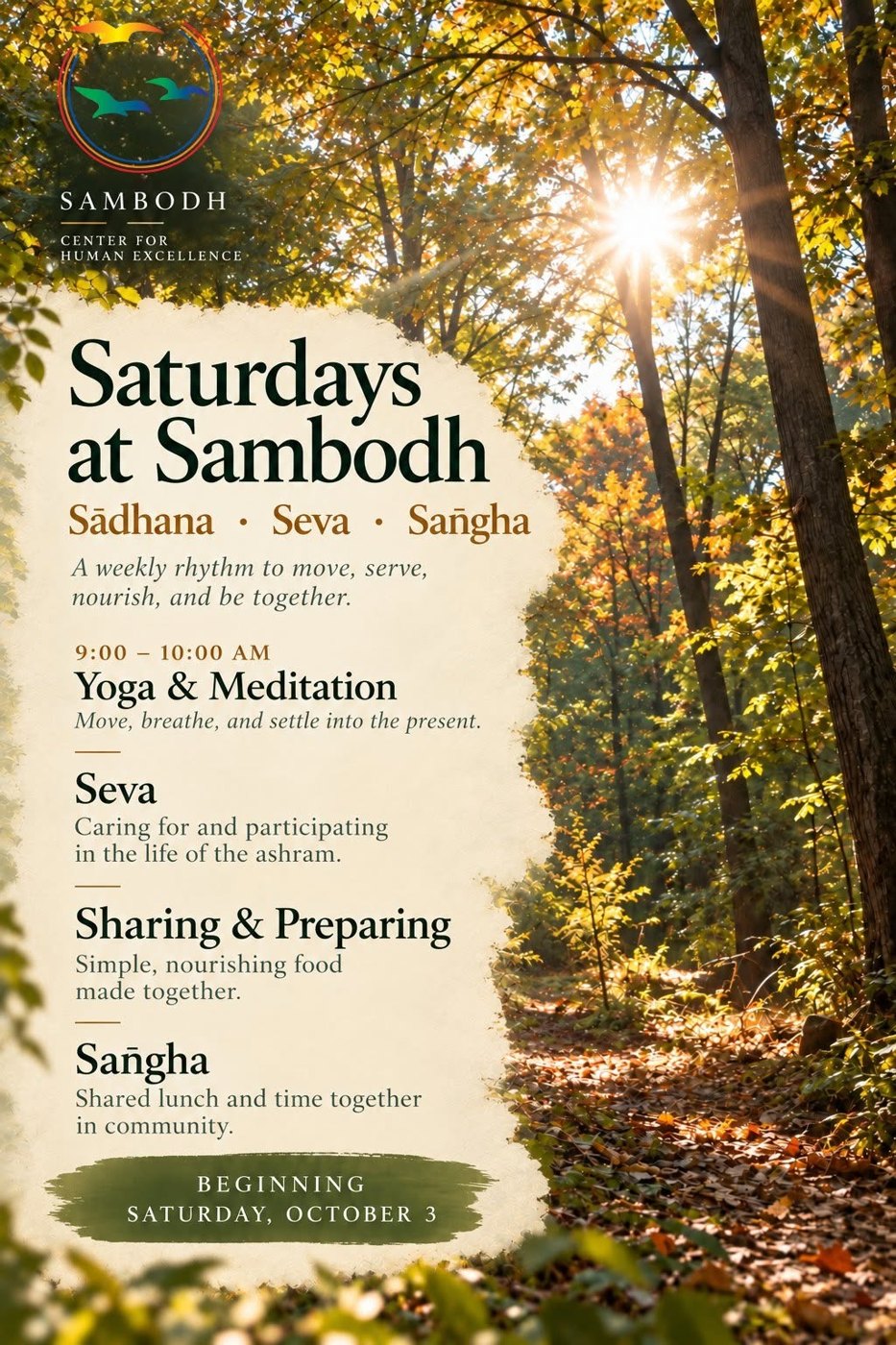 Saturdays at Sambodh Sādhana · Seva · Saṅgha — yoga and meditation 9–10 AM, seva, preparing food together and a shared lunch, every Saturday since 3 October 2026. Flyer
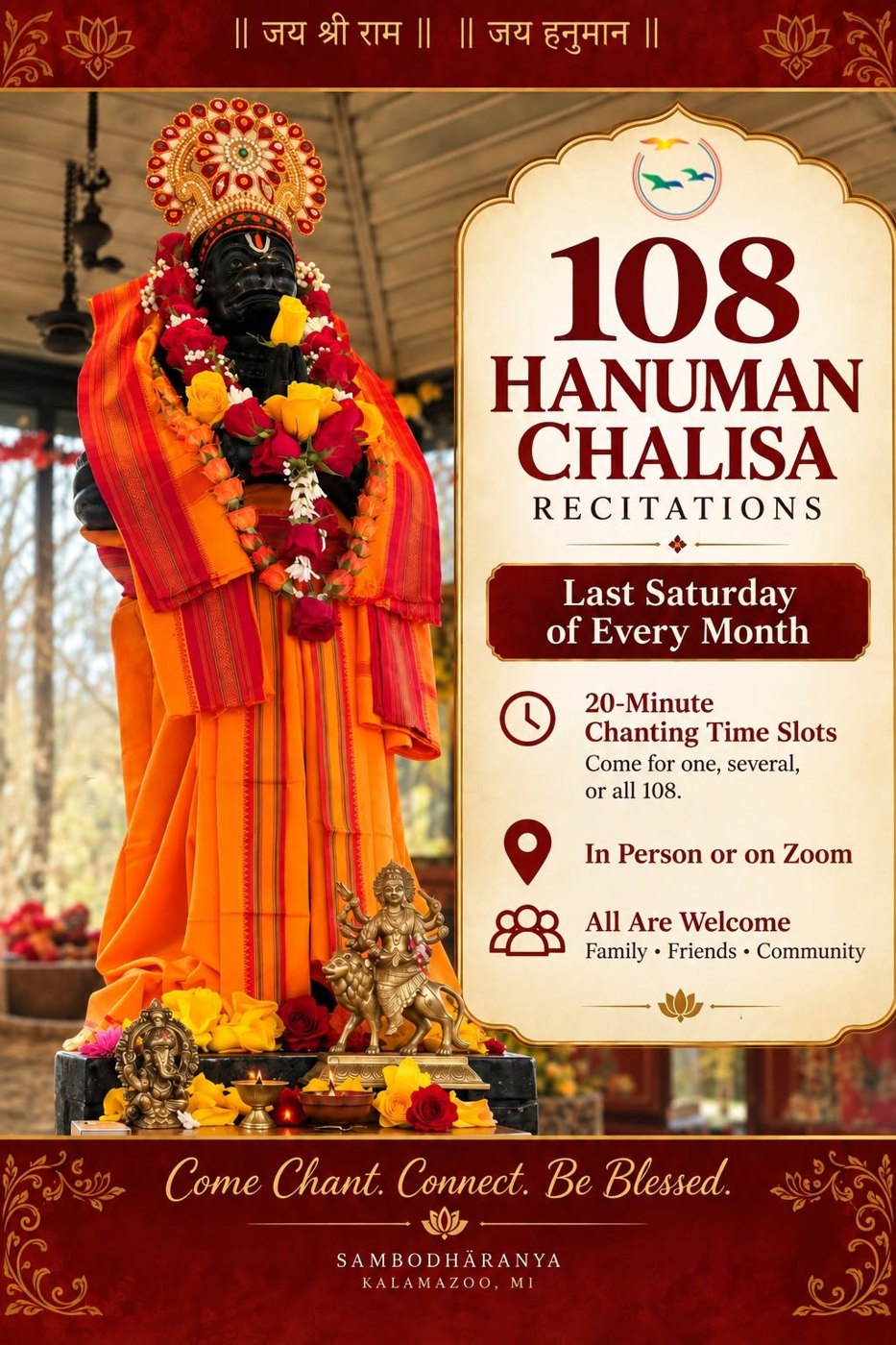
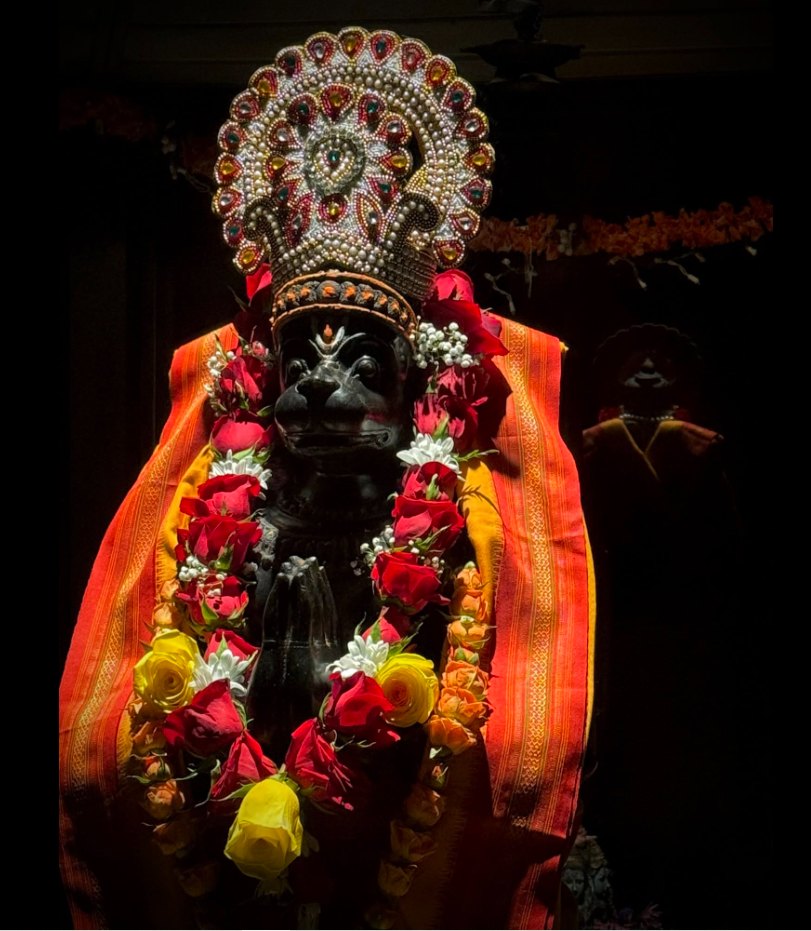 108 Hanuman Chalisa recitations The last Saturday of every month, at the Karya Siddhi Hanuman Temple — 20-minute chanting slots; come for one, several or all 108. In person or on Zoom. Flyer
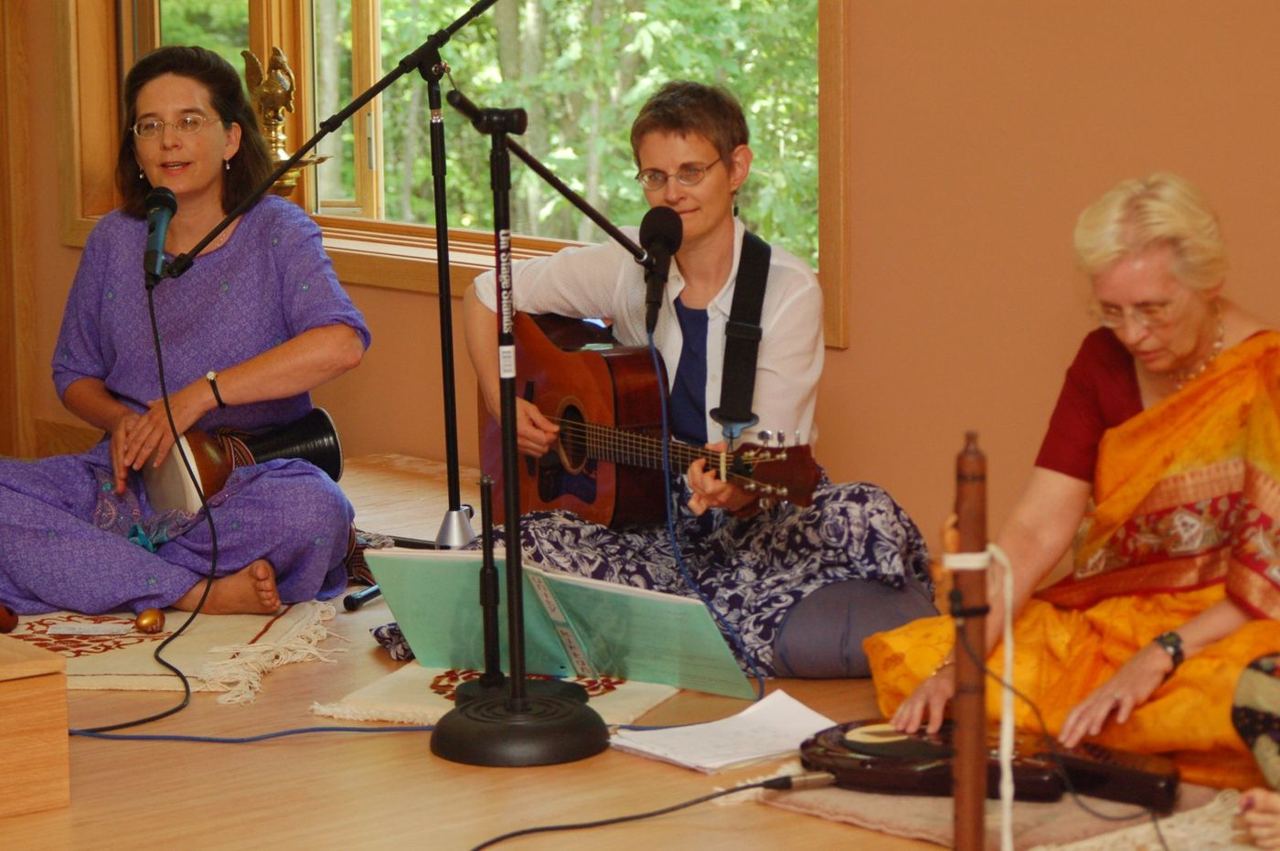 Yoga and Kirtan Regular weekly events and classes at the Sambodh Center.
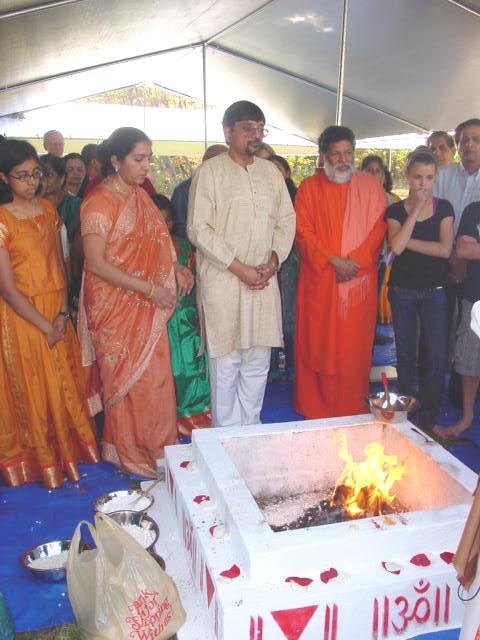 Temple Puja and Homa
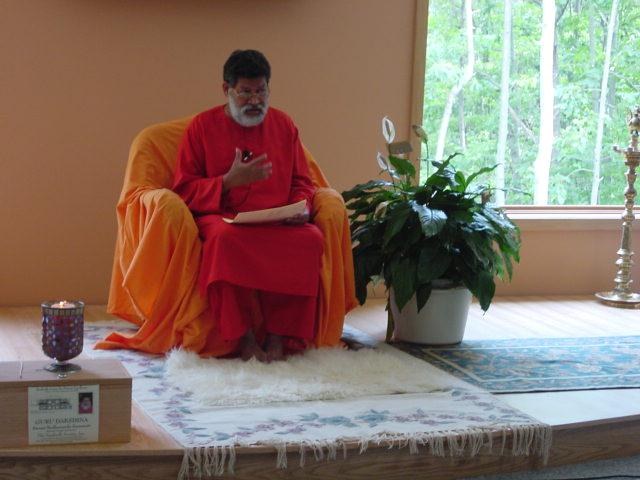 Vedanta classes
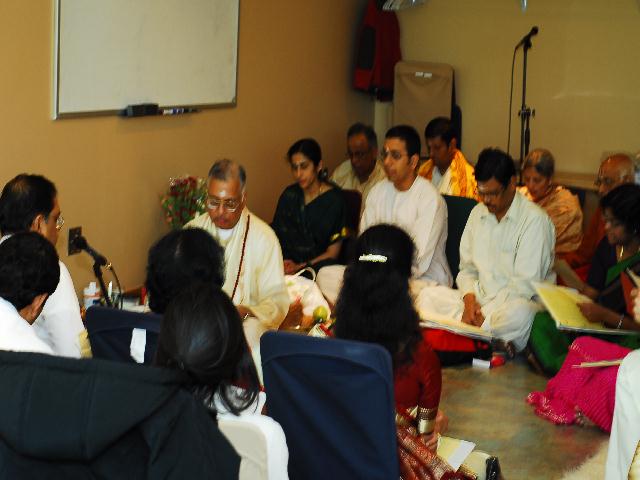 Mantra Chanting
For the dates and times of homas, pujas, classes and other events, see the SCHE program calendar.
To know more about programs at SCHE and the Temple, please get in touch with Aliceshia at thesambodhsociety@gmail.com or (269) 492-0544.
SCHE program calendar
Since its founding in 1998, the Sambodh Society has worked steadily towards creating a center and U.S. headquarters. In 2000 the Society acquired 33 acres of rolling woodland on the outskirts of Kalamazoo, Michigan. Swami Bodhananda named the forest Sambodh Aranyam — “the Forest of Enlightenment” — and proposed the name for the center to be developed there: the Sambodh Center for Human Excellence (SCHE). The Bhumi Puja, blessing the ground for the Sambodh Center for Human Excellence, was held on 19 October 2002, with homas and ground-breaking ceremonies seeking Mother Earth’s blessing (photographs below · the full Bhumi Puja album in the Gallery). In 2003, with contributions from devotees across the United States, the mortgage on the property was paid in full, preparing the way for the Center’s next stage.
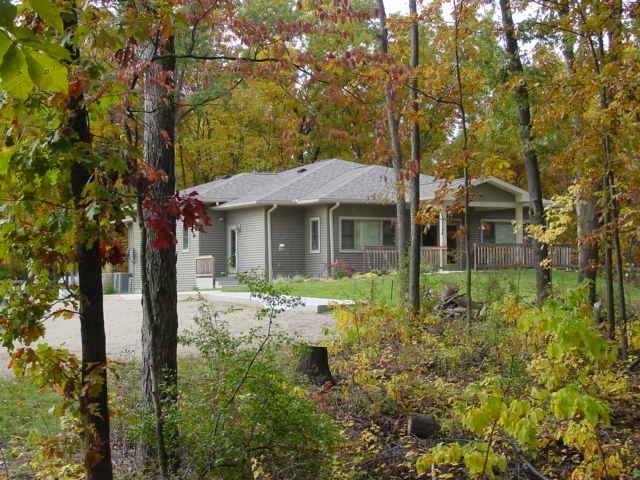
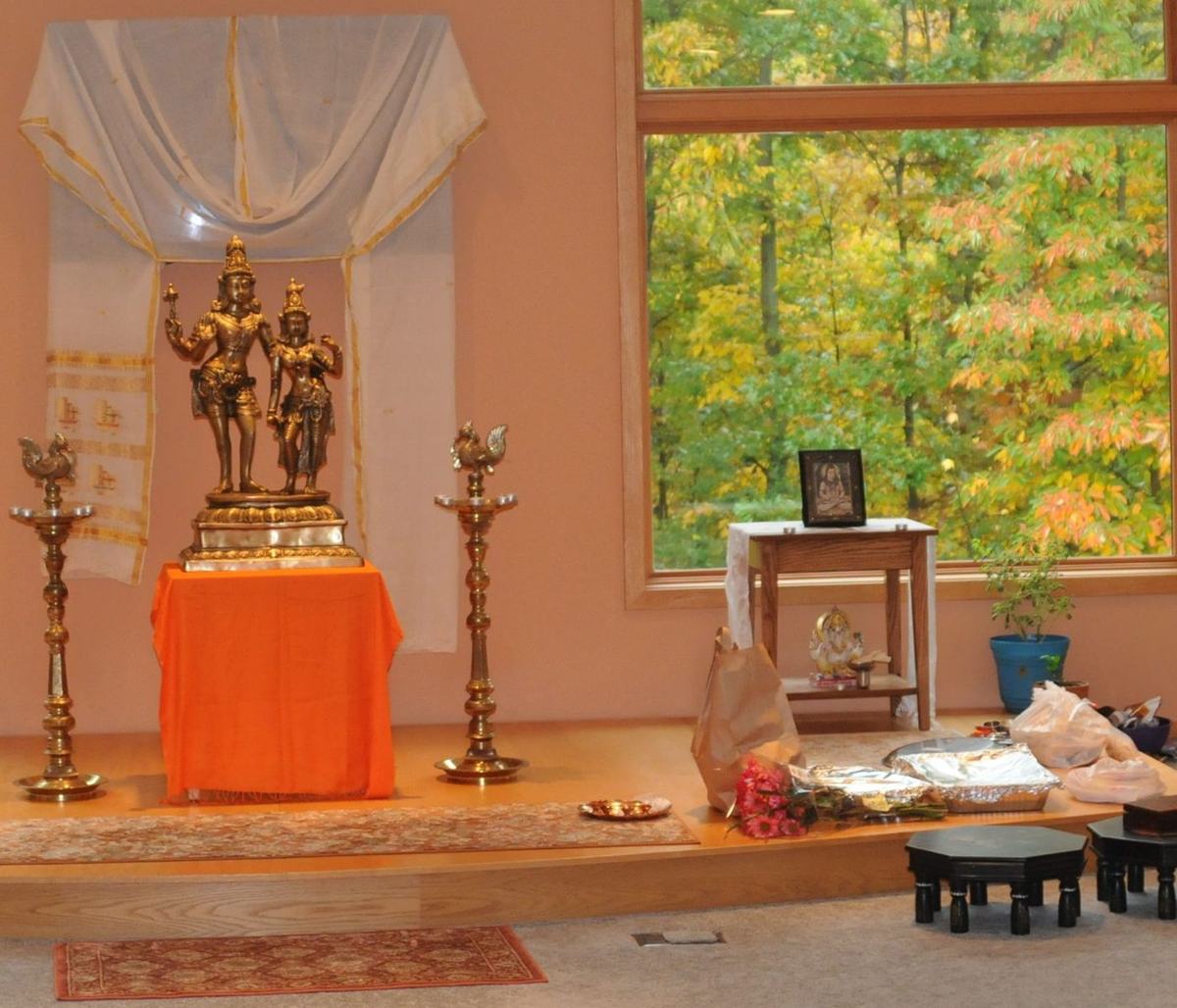
In November 2004 a group of dedicated committee members began working with the architect, Howard L. Overbeek, to design the building. Two years later, in November 2006, the Society secured a mortgage and construction began; the Center was inaugurated on 9 June 2007. It houses a Sanctuary for Teaching — the Meditation Hall — Swami Bodhananda’s quarters, a kitchen, library and office, and a multi-purpose room for yoga, Aikido, Tai Chi, children’s activities and other functions.
In the quiet woodlands of Kalamazoo, SCHE has grown into a center for the teaching of Vedanta, Meditation, Ayurveda and Yoga, fostered by the Dharmic vision of the unity of all and the unity of all spiritual paths. It serves as the headquarters of The Sambodh Society, Inc. and is maintained by devotees, donors and friends.
Swami Bodhananda leads and guides its activities, creating an inclusive space of people, ideas and selfless work based on the teachings of Vedanta, Yoga and Meditation.
Programs at SCHE
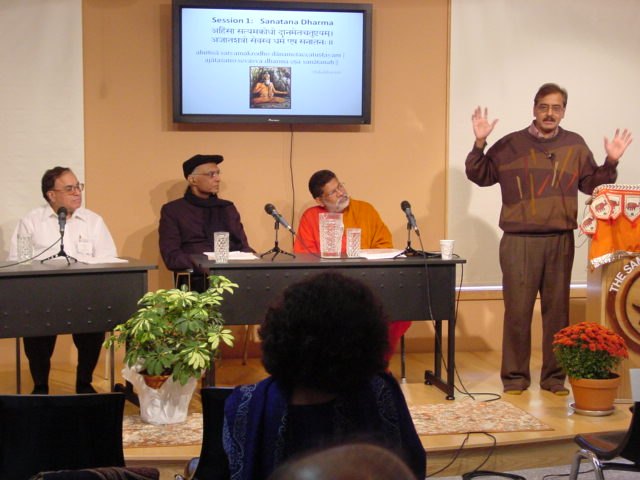
Weekly programs include meditation, chanting, Vedanta classes and discussions, alongside annual events such as the Maha Rudrabhishekam, Mantra Sadhana, and seminars and dialogues on a variety of topics. Every year, a month of intensive study of the major Upanishads and the Bhagavad Gita is taught by Swami Bodhananda.
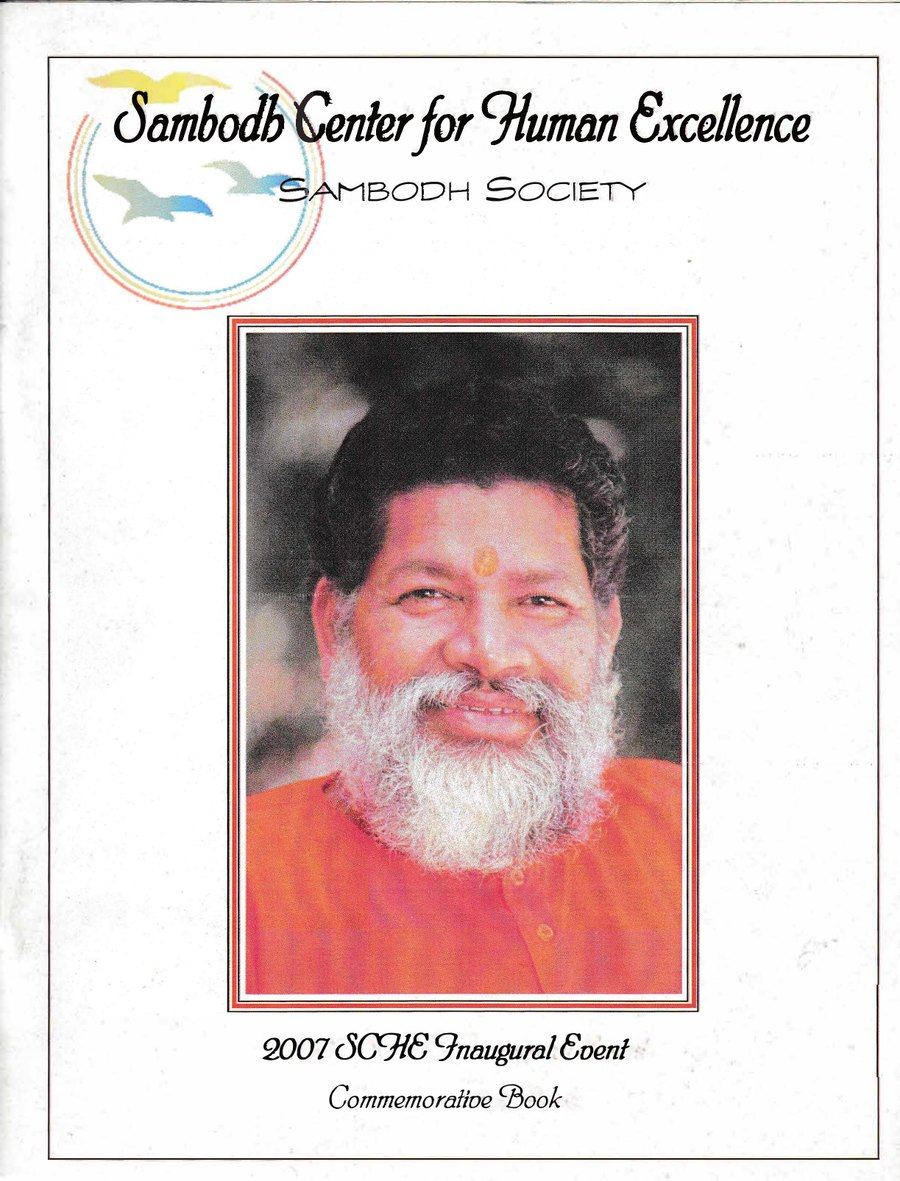 The Sambodh VisionSwami Bodhananda’s vision for the Sambodh Center for Human Excellence, with the Center’s mission and objectives.Read the vision statement →
2009 seminar: Hindu Dharma for the 21st Century — eight pillars of Hinduism →
Plan your visit
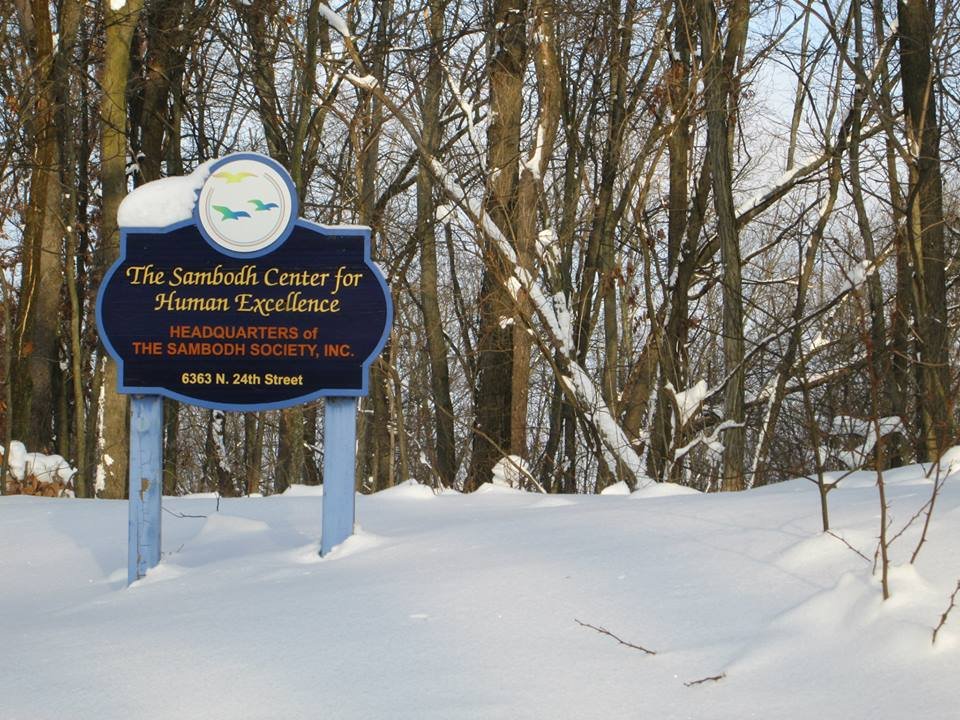
6363 N. 24th Street, Kalamazoo, MI 49004
Driving directions
From I-94 in Kalamazoo, take Exit 80 (Sprinkle Road) and drive north about 6 miles to the stop light at Sprinkle Road and G Avenue. Turn left onto G Avenue and go about ¼ mile to 24th Street. Turn right onto 24th Street and continue about 1¾ miles — please drive slowly, as children often play on this stretch. The entrance is on the west (left) side, midway between the start of the unpaved section and the cul-de-sac. Park along the looped driveway; the main entrance to the Center is on the east side.
SCHE is easily reached from Chicago and Detroit by I-94, and from Grand Rapids and Indiana by US-131.
What SCHE is all about
Gather · Retreat · Listen · Meditate · Reflect
Study · Dialogue · Decide · Plan · Detach
Self-discipline · Engage · Volunteer · Serve · Realize
Walk · Observe · Learn · Create · Celebrate
Guide · Practice · Give & Receive · Worship · Bless
Under the leadership of Swami Bodhananda, the Sambodh Society and SCHE aspire to nurture a community of spiritual seekers who work selflessly for the spiritual uplift of humanity, learn from the best of both Eastern and Western traditions, and are steeped in Vedanta — a vision which sees the world as one family, and all paths as leading to the same Truth.
Activities & programs
- Teaching retreats & seminars
- Classes in Vedanta & Sanskrit
- Spiritual study groups
- Meditation
- Chanting & kirtan
- Sunday services
- Satsang & pujas
- Yoga & Aikido
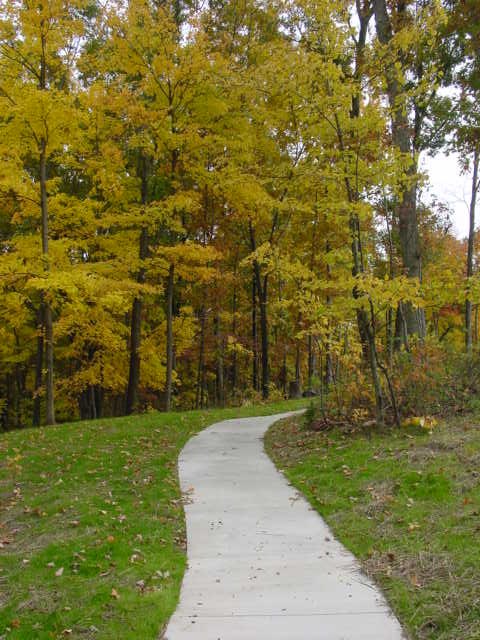
- Meditative trail walks
- Spiritual music & dance
- Peace & solitude
- Annual Maha Rudrabhishekam
- Spring seva projects & trail blazing
Volunteers welcome
We would love your help, in whatever way you would like to give it: with an activity, a service, a talent or skill, your time, professional expertise, materials or equipment. We gratefully receive the gift of your service.
Festival days at SCHE
- Interfaith Day1 JanuaryCelebration, meditation and chanting from all traditions to bring in the New Year.
- Maha ShivaratriFebruary or MarchHonouring Lord Shiva, the deity of sannyasins and yogis.
- Spring Equinox21–22 MarchThe traditional Earth Day, recognising our respect for ecology and Mother Earth.
- Sambodh Day4 AprilHonouring Swami Bodhananda and celebrating his initiation into sannyasa.
- Sri Shankaracharya DayApril–MayCelebrating the birth of Adi Shankaracharya and his contribution to classical Vedanta.
- Guru PurnimaJuly–AugustHonouring Veda Vyasa, compiler of the Vedas, and the guru–shishya tradition.
- Annual Maha RudrabhishekamFirst weekend of AugustThe traditional Vedic worship of Lord Shiva in Sambodh Aranyam.
- Ganesha ChaturthiSeptemberHonouring Lord Ganesha, the main deity installed in Swami Bodhananda’s ashrams in India.
- Gita JayantiDecemberThe day Lord Krishna gave the Bhagavad Gita to Arjuna.
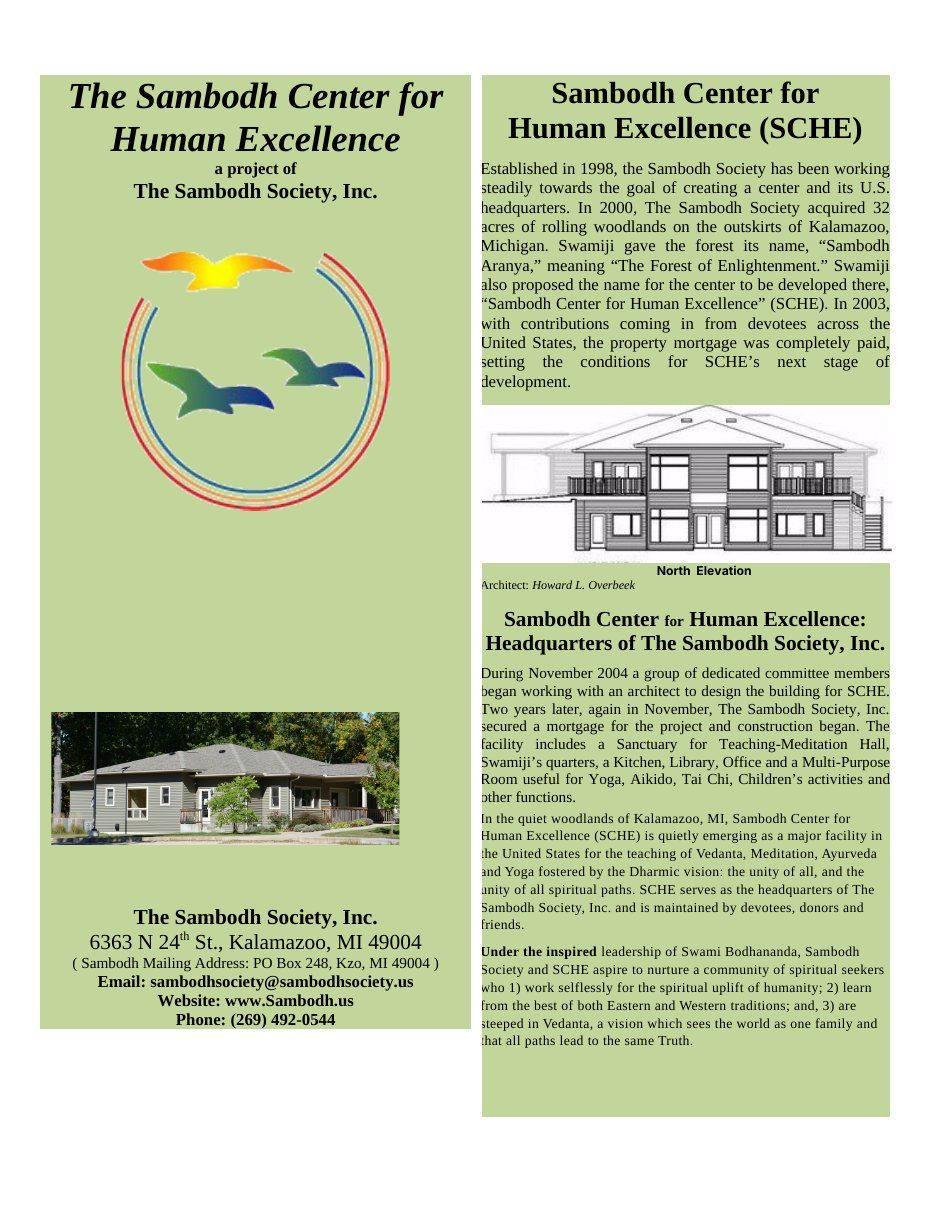 The Sambodh Center for Human ExcellenceThe original four-page brochure, with the Center’s story, activities, festival days and directions.Download the brochure (PDF) →

9 June 2007
The inauguration of the Sambodh Center
Devotees, friends and well-wishers gathered in Sambodh Aranyam as Swami Bodhananda was received in procession and the new Center was opened.
Bhumi Puja, 19 October 2002
“Ground-breaking ceremonies seeking Mother Earth’s blessing”: homas, a procession into the forest, an offering of sacred water to the earth, and blessings from many traditions on the ground of the future Center.
All 72 photographs of the Bhumi Puja →
In the news · Hinduism Today, 7 December 2002
Bhoomi or Bhu Devi is Mother Earth, and under the open sky in a small clearing amidst a woodland parcel of land belonging to the Society, members offered this puja to Mother Earth, seeking Her permission, forgiveness and benediction. The Bhoomi Puja day was festive, bringing together two of the world’s most ancient spiritual traditions — the Hindu and Native American — in rituals dedicated to Mother Earth.
Building the Center
1–4 October 2009 · at SCHE
Hindu Dharma for the 21st Century
Two years after its inauguration, the Center hosted a four-day seminar on the eight pillars of Hinduism — from Sanatana Dharma and Karma Siddhanta to temple worship, caste and interfaith dialogue — with scholars, practitioners and Swami Bodhananda.
Around the center
Read more
Foundational texts
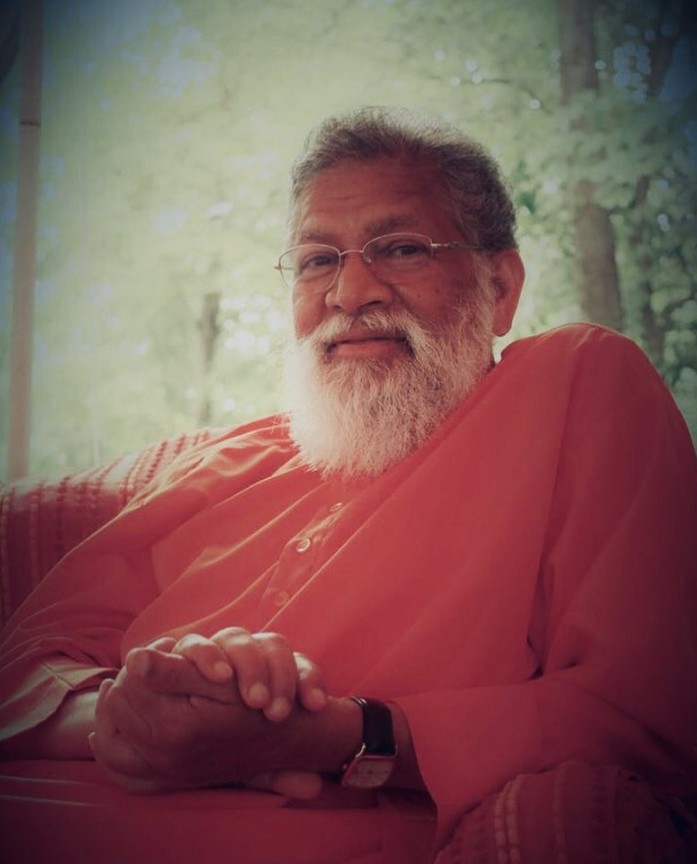 One-page biography of Swami BodhanandaHis life and work in brief, with photographs to download.Read →
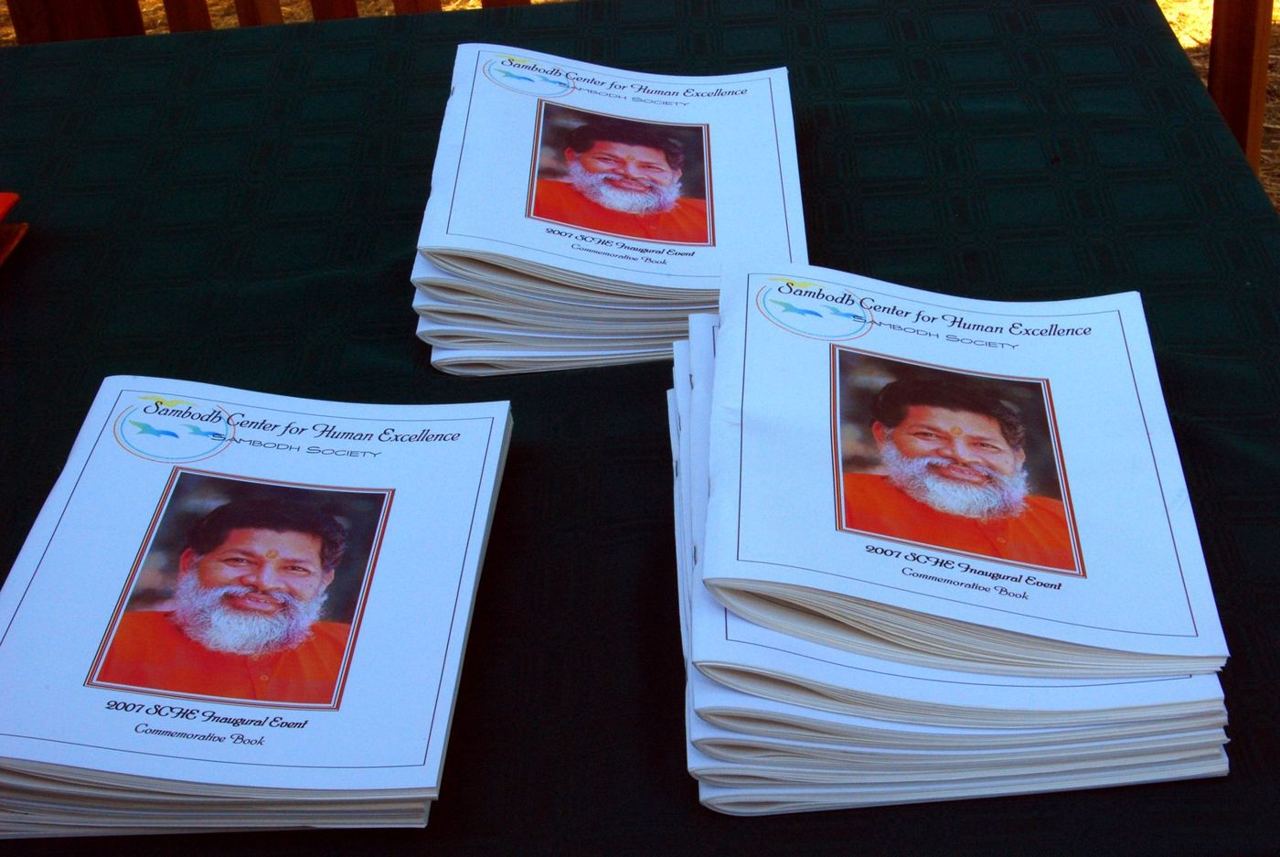 The Sambodh Vision · 2007Swami Bodhananda’s vision for the Center, from the inaugural commemorative book.Read →
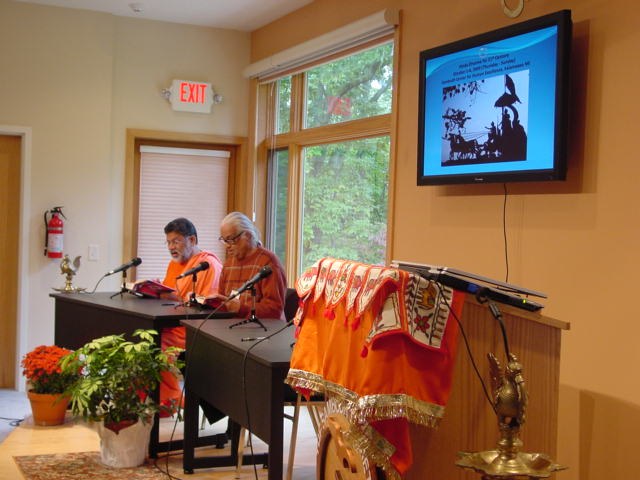 Hindu Dharma for the 21st Century · 2009The four-day seminar at SCHE on eight pillars of Hinduism.Read →
 The Sambodh PrayerWritten by Swami Bodhananda — to be inclusive, committed, contented and ego-free.Read →
Support the Sambodh Society
Your gift sustains Sambodh Ashram, the Sambodh Center for Human Excellence and Swami Bodhananda’s teaching programs across North America. All donations are tax-deductible.